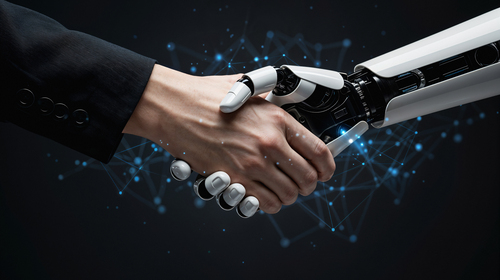
Artificial intelligence is increasingly transforming the field of digital accessibility. From automatically generating alternative text for images to flagging potential accessibility issues in websites and apps, AI offers unprecedented speed and efficiency. However, while automation can handle repetitive tasks and identify common errors, it cannot fully capture the nuances of real user experiences. To create digital products that are genuinely inclusive and usable, organizations must balance AI tools with careful human oversight.
The Benefit of AI in Accessibility
AI has brought remarkable capabilities to accessibility workflows. Tools can now scan large volumes of digital content, detect color contrast issues, suggest labels for images, and even identify structural problems in web pages and documents. For organizations managing thousands of pages or files, these tools provide much-needed coverage, allowing accessibility teams to focus on higher-value tasks rather than manual, repetitive checks.
AI also enables organizations to maintain ongoing compliance. Automated checks can run continuously, flagging new content that introduces accessibility barriers. This proactive approach reduces the risk of non-compliance, supports faster remediation, and ensures that digital experiences remain inclusive as content evolves.
The Limits of Automation
Despite its advantages, AI cannot replace human understanding of accessibility. For example, an algorithm might generate alternative text for a chart, but it may not convey the meaning or context needed by someone using a screen reader. Similarly, AI can identify a missing heading, but it cannot determine whether the structure supports comprehension for users with cognitive disabilities.
Accessibility is fundamentally about user experience. Real people interact with content in ways that algorithms cannot fully predict. Users may face challenges that AI cannot anticipate, including cognitive, visual, or motor limitations, and context often matters as much as technical compliance. Without human oversight, automation risks producing solutions that are technically correct but fail to meet the needs of actual users.
Integrating AI with Human Oversight
The most effective approach is to use AI as a first line of defense, complemented by human expertise. Here are some practical strategies:
- Automated Pre-Screening: Use AI to scan content and flag obvious issues, such as missing alt text, poor color contrast, or broken links. This provides a baseline for accessibility coverage and highlights areas requiring attention.
- Human Validation: Accessibility experts should review AI-flagged content to ensure that suggested fixes are meaningful, contextually appropriate, and fully usable for people with disabilities.
- User Testing: Include real users in testing workflows. Observing how individuals with disabilities interact with your product provides insights that AI alone cannot generate, revealing barriers and opportunities for improvement.
- Iterative Feedback Loops: Create processes where insights from human review and user testing inform AI training and adjustments, improving the accuracy and relevance of automated suggestions over time.
- Team Collaboration: Ensure that designers, developers, content creators, and accessibility specialists work together. Each role contributes a unique perspective, which helps ensure that AI-generated solutions are both technically sound and user-centered.
Examples of AI in Practice
Several organizations have successfully implemented this combined approach. For instance, AI can automatically suggest descriptions for images in marketing materials, but a human reviewer ensures that the text conveys the intended meaning. In website development, automated testing can highlight structural issues, while designers adjust layouts to ensure content flows logically and is easy to navigate. This partnership between AI and human oversight allows teams to achieve both scale and quality.