
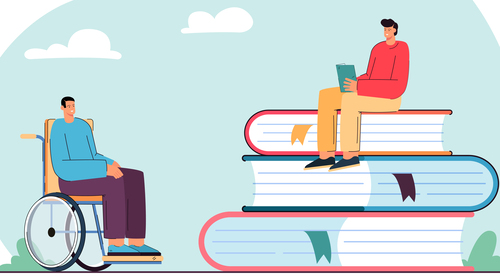
Digital accessibility is no longer just a technical requirement, it’s a mindset that reshapes how we design, build, and maintain digital products. Over years of implementing accessibility practices, success depends not just on understanding guidelines like WCAG, but on creating awareness, fostering collaboration, and embedding accessibility into an organization’s culture.
Understanding What Accessibility Really Means
Many people confuse digital accessibility with simply making a website usable. In reality, it’s about ensuring that digital content is user-friendly for everyone, regardless of ability or limitation. For people with disabilities, digital experiences are often created without their needs in mind.
Awareness begins by addressing cognitive biases. One effective approach is to relate permanent disabilities to temporary or situational challenges, like trying to navigate a site with one hand or reading content in bright sunlight. Demonstrating how screen readers work or showing real-life accessibility challenges helps colleagues understand why certain practices matter. When people grasp the impact of their work on real users, they are more motivated to contribute.
An Openness to New Ideas
Once awareness is raised, people become more receptive to change. Start with quick wins and practical tools that make accessibility easier to implement. For example, ensuring sufficient text contrast is a simple adjustment that delivers immediate benefits when designers understand its importance. By integrating accessibility early, teams reduce costly fixes later and create more inclusive products from the outset.
Adapt Training to Different Roles
Digital accessibility is rarely taught in schools, yet every role in product development contributes to an accessible experience. Training should start with basics, color contrast, descriptive links, proper headings, alternative text, and keyboard navigation, but be tailored to each audience:
- Project managers: Learn when and how to integrate accessibility into project timelines.
- Content creators: Use plain language and write for assistive technologies.
- Designers: Apply guidelines and new techniques they may not have encountered.
- Developers: Implement accessible code and understand its real-world impact.
For example, when adding an image: the project manager ensures accessibility is considered, the content creator writes meaningful alt text, the designer positions it logically, and the developer codes it correctly. Each role’s contribution is distinct, and targeted training empowers everyone to take ownership.
A Supportive Accessibility Community
Accessibility cannot rely on a single specialist. Identify colleagues passionate about inclusive design and create a network of accessibility champions. A community spreads knowledge, increases accountability, and gradually transforms corporate culture. Assessing the organization’s accessibility maturity helps set realistic goals and track progress.
Celebrate all wins, big or small, from giving awareness talks to improving font legibility or conducting user testing with people with disabilities. Recognizing progress keeps momentum high and reinforces the idea that everyone can contribute.
Guaranteeing Management Support
Perhaps the most crucial factor is support from leadership. Accessibility initiatives need backing from all levels of management to be sustainable. Without it, efforts remain limited and often fragmented. Support from leadership legitimizes accessibility as a strategic priority, not just a compliance task.
Digital accessibility is an ongoing journey. Products are everywhere, and people with disabilities are everywhere. Implementing accessibility across your organization not only creates better experiences for users but also fosters a culture of inclusivity. When management, teams, and individuals understand their roles and contributions, accessibility becomes part of the organization’s DNA.