
When the Department of Justice extended ADA Title II web accessibility deadlines by one year, many organisations saw only one thing: more time. But smart organisations see something else: competitive advantage. The new deadlines move larger public entities to April 26, 2027 and smaller entities to April 26, 2028.  That extra year can be used to create better systems, stronger reputation, improved user experience, and…
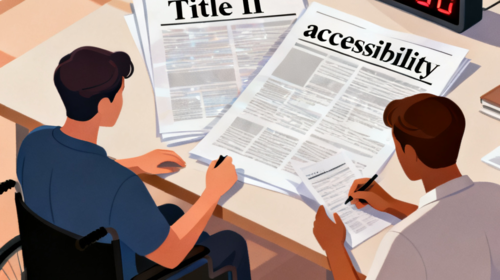
The U.S. Department of Justice has officially extended the compliance deadlines for the ADA Title II web and mobile accessibility rule by one year. For many public entities, educational institutions, and organisations working with them, this is significant news. Originally, larger public entities were required to comply by April 24, 2026. That date has now moved to April 26, 2027. Smaller public entities and special…

As technology increasingly shapes every aspect of daily life, ensuring that digital experiences are accessible for people with disabilities is not just a legal or technical concern, it is an ethical imperative. The Digital Accessibility Ethics Framework offers a structured approach to embedding ethical principles into accessibility practices, guiding organizations to create inclusive technology while avoiding the harms caused by exclusion. Why Ethics Matter in Digital Accessibility…

Accessibility is a critical aspect of digital product design, development, and content creation. Organizations are often asked whether their digital assets meet accessibility standards, such as the Web Content Accessibility Guidelines (WCAG), or if they have achieved “100% conformance.” While aiming for full compliance is admirable, the reality is more nuanced. Understanding the limits of conformance and focusing on practical, user-centered strategies is key to…

Artificial intelligence is increasingly transforming the field of digital accessibility. From automatically generating alternative text for images to flagging potential accessibility issues in websites and apps, AI offers unprecedented speed and efficiency. However, while automation can handle repetitive tasks and identify common errors, it cannot fully capture the nuances of real user experiences. To create digital products that are genuinely inclusive and usable, organizations must…

With ADA Title II deadlines approaching, organizations across the country are facing a critical task: ensuring that all digital and physical documents are accessible to everyone, including people with disabilities. While much attention has been paid to website accessibility, documents - PDFs, Word files, spreadsheets, presentations, and more - are equally important. Inaccessible documents can prevent individuals from accessing essential information, creating both compliance risks…

In today’s digital economy, digital accessibility is not optional, it’s a legal and business imperative. Across the United States and many other countries, digital accessibility lawsuits have been on the rise, with more than 4,000 filed annually in recent years. Lawsuits aren’t just expensive; they can disrupt operations, damage reputation, and divert energy away from growth initiatives. The good news? Most litigation risk can be mitigated…

As digital ecosystems continue to expand, ensuring accessibility for all users has become both more important and more complex. Websites, mobile apps, internal tools, and downloadable documents all need to be accessible, but traditional methods of testing and remediation struggle to keep pace with the speed and volume of content being produced. Organizations face a dual challenge: maximizing coverage, ensuring that every piece of content and…

Digital accessibility is no longer just a technical requirement, it’s a mindset that reshapes how we design, build, and maintain digital products. Over years of implementing accessibility practices, success depends not just on understanding guidelines like WCAG, but on creating awareness, fostering collaboration, and embedding accessibility into an organization’s culture. Understanding What Accessibility Really Means Many people confuse digital accessibility with simply making a website…