
In an increasingly digital world, a reliance on technology brings a level of responsibility to those that provide it. With stronger accessibility guidelines, making accessibility an integral part of the procurement process ensures that products work for all users. The most successful organizations treat accessibility as a constant in the process, not a one-off project. When accessibility becomes an integral part of the procurement process,…

In higher education, inclusion is often thought of as meeting students where they are with set accommodations and helping them succeed from there. More often than not, any need for inclusion is remedied through physical accommodations while digital accessibility is often left out of that conversation. True accessibility isn’t just a legal checkbox, it’s the foundation of an inclusive learning environment and the key to…

Educational institutions today depend on digital platforms more than ever before. From student applications and learning management systems to course materials, websites, online libraries, and communication portals, technology plays a central role in delivering education. But with this digital transformation comes a major responsibility: ensuring that every student, parent, staff member, and visitor can access these services equally. That is where Accessibility Shield provides real value. Supporting…

Digital accessibility isn’t just about compliance, it’s about empowering every employee to work effectively. By creating an environment where all employees can use technology independently, you demonstrate respect for diverse needs and abilities. Whether someone uses a screen reader, voice control, or keyboard navigation, tools for accessibility ensure that everyone can fully contribute to the work being done. When digital tools aren’t inclusive, individuals face…

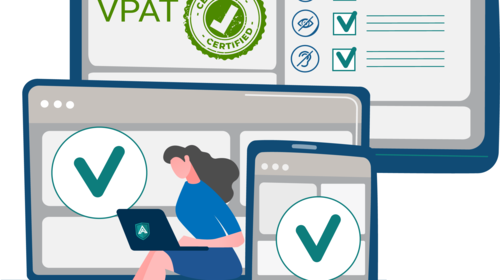
What are VPATs and ACRs? A VPAT is a standardized document used to explain how products meets accessibility standards such as: WCAG: Web Content Accessibility Guidelines Section 508: U.S. government accessibility law When a vendor completes a VPAT for a specific product and version, it becomes an Accessibility Conformance Report (ACR). The ACR explains how well the product conforms to the required accessibility requirements, helping…

Artificial intelligence is reshaping the way we create, share, and interact with digital content. One of the most meaningful areas of impact is accessibility, an area that has traditionally required specialized skills, significant time, and attention to detail. Today, emerging AI tools are making accessibility faster, easier, and more accessible to everyone involved in education and content creation. AI can enhance accessibility through assistance and…

A strategic approach to efficient accessibility evaluations starts with recognizing that accessibility testing is not about doing more work, but about doing the right work at the right time. Efficiency comes from intention, clarity, and repeatable decision-making, not shortcuts. Understanding the Importance of Accessibility Evaluations Testing a website for accessibility can be daunting, time-consuming, frustrating, and even unexpectedly fun. When accessibility evaluation is just one…

The Department of Justice has extended the ADA Title II web accessibility deadlines by one year, but organisations should not mistake this for a reason to wait. For larger public entities, the deadline is now April 26, 2027. Smaller public entities and special districts move to April 26, 2028 meaning the best time to prepare is now. The extension should be viewed as a planning…

Accessibility in education is not just a legal requirement or a technical consideration, it is a fundamental principle of equity and inclusion. At its core, accessibility ensures that every learner, regardless of their abilities, background, or circumstances, has equal access to knowledge, resources, and opportunities. In an increasingly diverse and digital world, prioritizing accessibility is essential for creating learning environments where all students can thrive.…